Web3
Author:
Archielles Erlangga Ardana
Created at:
2025-09-02
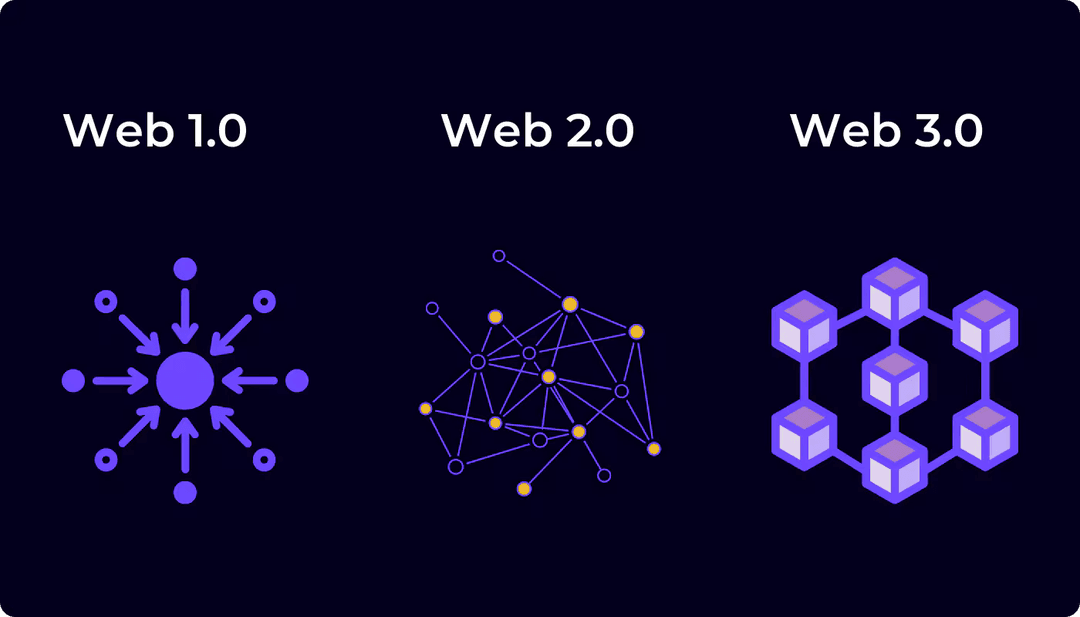
1. The Internet’s Evolution
The internet has gone through different stages. Web1 (the early internet) was mostly read-only—people could visit websites and read information, but there wasn’t much interaction. Web2 (the internet we use today) is interactive—social media, YouTube, online shopping, and apps where users create content. Web3 is the next step, where the internet becomes more decentralized, meaning no single company fully controls it.
2. How Web3 Works
Web3 uses technologies like blockchain (the same system behind Bitcoin and Ethereum). Instead of data being stored and controlled by big companies like Google or Facebook, information can be stored across many computers worldwide. This makes it harder to censor, more transparent, and gives users more control. For example, instead of logging into a site with your Google account, you might log in with a crypto wallet.
3. Why It Matters
Web3 is important because it changes how people own and share things online. With it, you can own digital assets like NFTs, trade without banks through decentralized finance (DeFi), or even join decentralized communities (DAOs) where members vote on decisions. For students, Web3 represents a future of the internet where people can be creators, owners, and decision-makers, not just users of big platforms.
Category:
Technology & Innovation