How Artificial Intelligence is Transforming Science
Author:
Archielles Erlangga Ardana
Created at:
2025-09-02
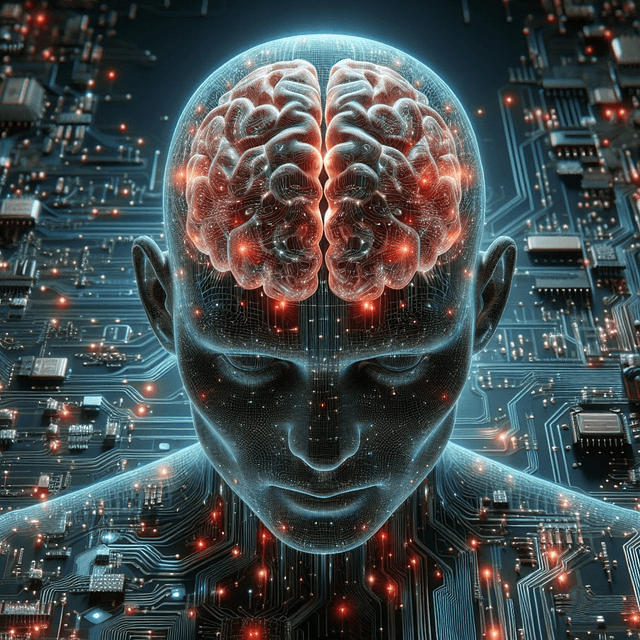
Science has always relied on observation, experimentation, and data analysis. Today, with the rise of artificial intelligence (AI), scientists have powerful new tools to explore the world in ways that were once impossible. AI can process massive amounts of data much faster than humans, spotting patterns and making predictions that speed up discoveries. From understanding climate change to exploring outer space, AI is becoming a vital partner in scientific research.
One exciting area is in medicine, where AI helps doctors detect diseases earlier and more accurately. For example, AI can analyze medical scans to identify signs of cancer that might be too small for the human eye to notice. In environmental science, AI models are being used to predict extreme weather events and track endangered species, helping scientists and policymakers protect our planet. These applications show how AI is not just a tool for efficiency but also a way to save lives and preserve nature.
As AI continues to evolve, its role in science will only grow. However, it’s important to use this technology responsibly, ensuring transparency and fairness in how it’s applied. For students and young learners, exploring AI is not just about coding or machines—it’s about being part of a new era of discovery. The future of science will be written not only in laboratories but also in algorithms, and AI may help answer some of humanity’s biggest questions.
Category:
Technology & Innovation